Wilson Fellowship in Prosthetic Urology

Wilson Fellowship in
Prosthetic Urology

Advancing Global Excellence in Prosthetic Urological Education
Wilson Fellowship in Prosthetic Urology
Advancing Global Excellence in Prosthetic Urological Education

Program Overview and Mission

The Wilson Fellowship in Prosthetic Urology represents a pioneering educational initiative that embodies the vision and expertise of Professor Steven K. Wilson, MD, FACS, FRCS, one of the world's most distinguished authorities in prosthetic urology.

Through five decades of surgical excellence and over 11,000 implant procedures performed across 60 countries, Dr. Wilson has established an unparalleled legacy in advancing the field of prosthetic urology¹. This fellowship program extends that legacy by providing intensive, evidence-based training to the next generation of prosthetic urologists worldwide.

The field of prosthetic urology demonstrates the striking impact that simple devices can have on quality of life, with penile prosthesis and artificial urinary sphincter implantation serving as the cornerstone procedures of this specialty². Modern research in prosthetic urology largely concentrates on decreasing the rates of complication and infection, as current devices offer superior rates of satisfaction when revision is not necessary².

"Traditional surgical training methods are no longer adequate for the complex techniques required in modern prosthetic urology"

— Research in Medical Education

The Wilson Fellowship operates on a collaborative international model, partnering with distinguished urologists worldwide to deliver comprehensive education that combines Dr. Wilson's extensive expertise with local clinical insights and cultural understanding. This approach ensures that fellows receive training that is both globally standardized and locally relevant, preparing them to excel in diverse healthcare environments.


Scientific Foundation and Evidence-Based Training

The Wilson Fellowship program is built upon a robust scientific foundation that incorporates the latest research in prosthetic urology education and training methodologies. Recent studies have demonstrated that expert training with standardized operative techniques significantly improves surgical outcomes, increases the type and volume of implants performed, and reduces explantation rates⁴.

Clinical Outcomes and Evidence

The effectiveness of specialized prosthetic urology training is supported by extensive clinical data. Modern penile prosthesis implantation demonstrates excellent outcomes when performed by properly trained surgeons, with infection rates typically ranging from 2-5% and satisfaction rates consistently exceeding 90%². The three-piece inflatable penile prosthesis (IPP), which is the most commonly implanted device in the United States, offers optimum rigidity for sexual function while maintaining the ability to deflate to a comfortable level².

Clinical studies have consistently demonstrated that fellowship training significantly impacts career outcomes, with 87% of fellowship-trained urologists pursuing academic careers compared to only 13% of those completing residency alone⁷. This statistic highlights the transformative impact of specialized training on professional development and career trajectory.

Fellowship Components and Curriculum

🔬

Surgical Technique Training

Comprehensive training in advanced surgical techniques including three-piece inflatable penile prostheses, artificial urinary sphincters, and complex revision surgeries.

💬

Communication Skills

Patient counseling, informed consent processes, expectation management, and cultural sensitivity training for diverse patient populations.

📈

Practice Development

Business aspects of prosthetic urology including referral systems, marketing strategies, insurance navigation, and quality improvement initiatives.

📊

Research & Publication

Research methodology training, data analysis, scientific writing, and participation in ongoing research projects advancing the field.

Surgical Curriculum Details

  • Patient selection criteria and preoperative planning
  • Surgical anatomy and implantation techniques
  • Complication management and revision surgeries
  • Procedures in challenging patient populations
  • Artificial urinary sphincter placement
  • Male sling procedures for stress urinary incontinence

International Locations and Co-Sponsorship Model

2025 Program

Korea Urology Scholarship

Dates: May 19-23, 2025
Location: Seoul, South Korea
Co-Sponsor: Dr. Sean Park, MD
Institution: Stand Up Prosthetic Urology Center of Excellence

Upcoming Program

Jordan Fellowship Program

Location: Amman, Jordan
Co-Sponsor: Dr. Mohammed Hamdan, MD
Status: Date to be announced
Focus: Middle Eastern regional training hub

Seoul Korea Logo

2025 Korea Program - Dr. Sean Park

Director, Stand Up Prosthetic Urology Center of Excellence

Global Training Fellowship in Prosthetic Urology under the supervision of Professor Steven K. Wilson, MD, FACS, FRCS of University of Arkansas for Medical Sciences, 2012-2013⁸
World's 5th Certified Center of Excellence for Penile Implants (2016)
Asia's Top 1st number of penile prosthesis cases center (2014 & 2015) by Coloplast
Executive Director on Prosthetics, Korean Society for Sexual Medicine and Andrology
Chair, Prosthetics Education & Training Committee, Asia Pacific Society for Sexual Medicine
Associate Editor, Video Journal of Sexual Medicine, ISSM

2025 Korea Program Scholars

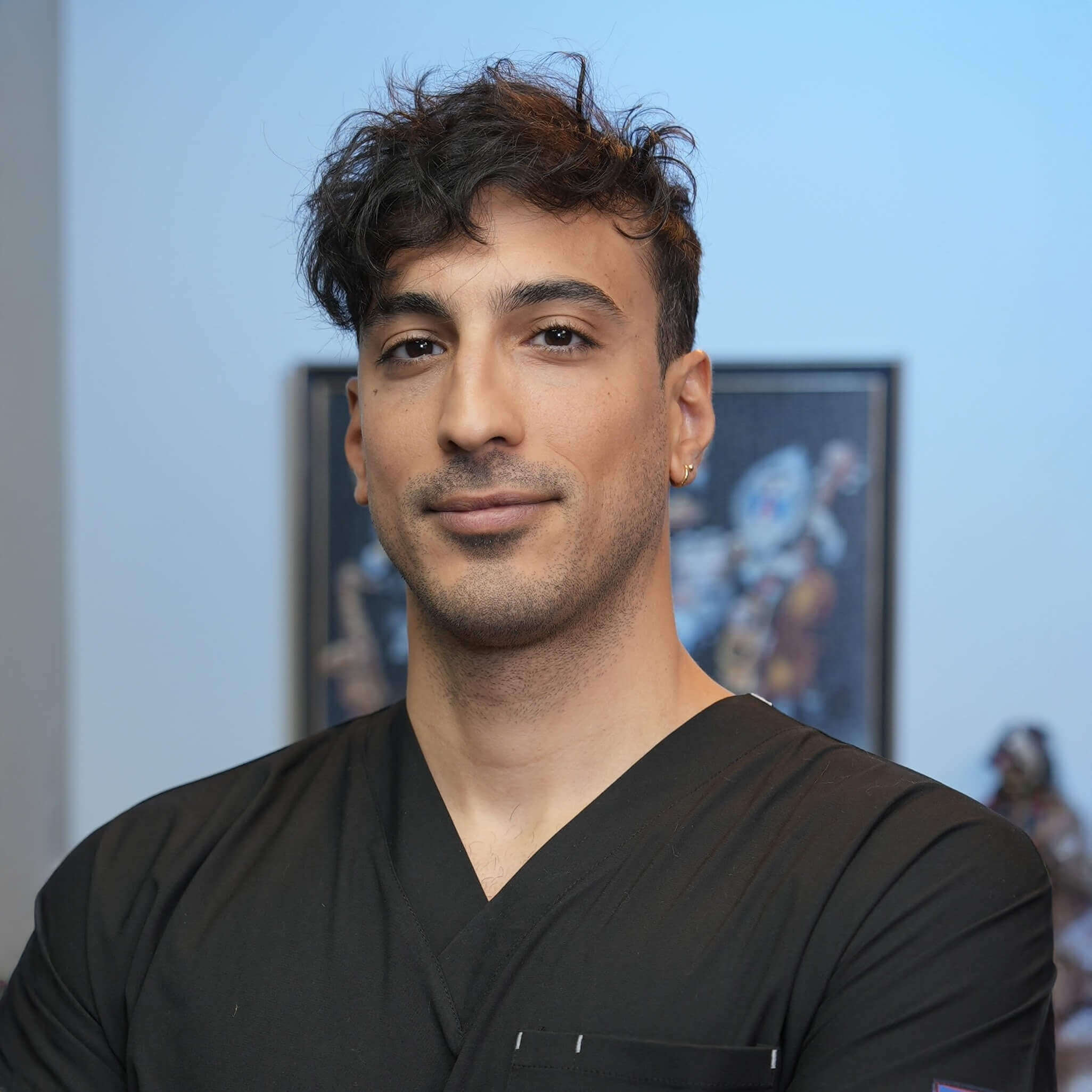
Dr. Ahmet Albayrak
Dr. Ahmet Albayrak

Turkey

Dr. Hannah Guan
Dr. Hannah Guan

United States

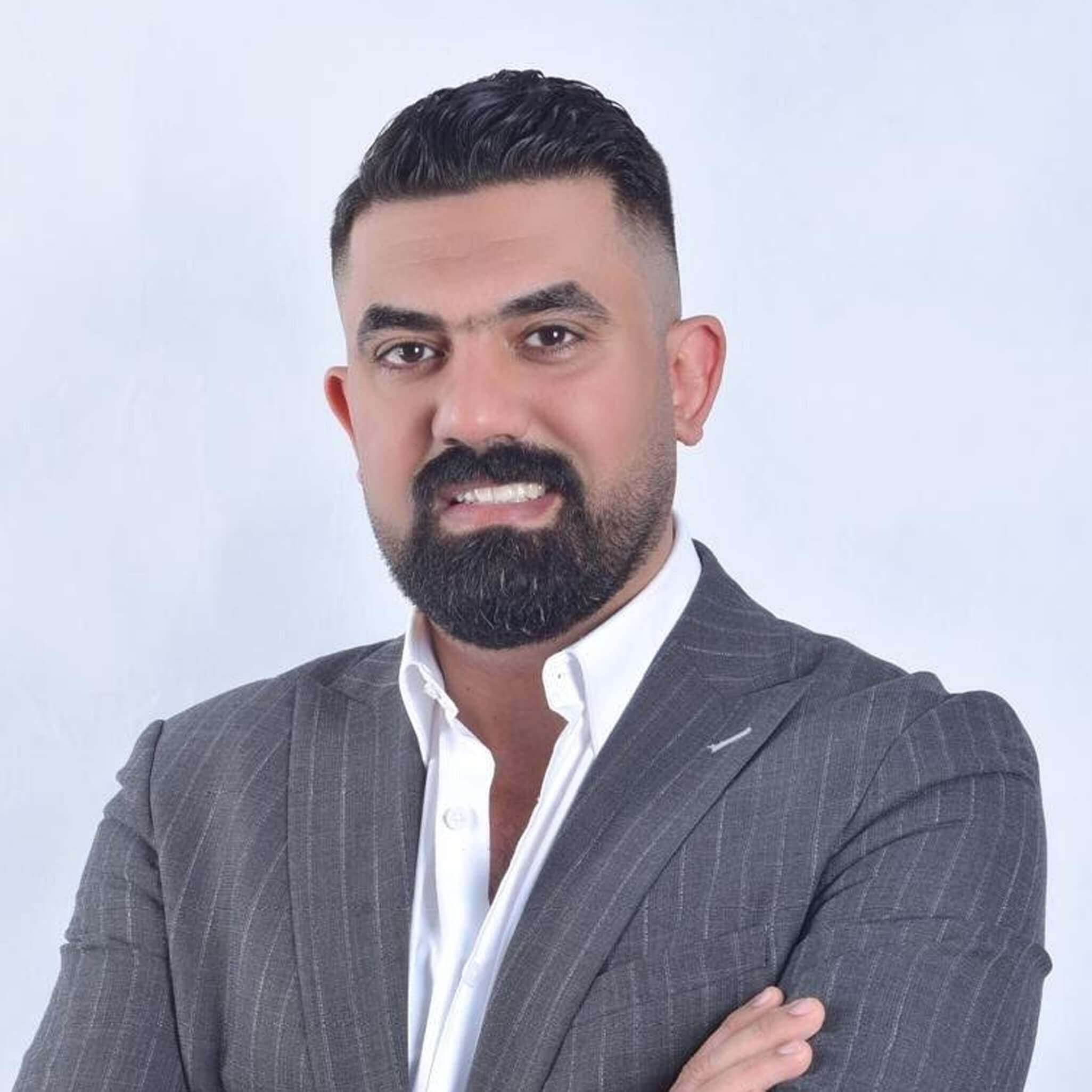
Dr. Anas Hasan
Dr. Anas Hasan

Iraq

Training Program Details

The Wilson Educational Foundation Urology Scholarship is focused on developing promising urologists into future prosthetic urologists. This scholarship offers three days of intensive training in surgical techniques, communication skills, marketing, and practice development. Dr. Sean Park has developed a robust prosthetic urology practice that is the largest in the world outside of the United States. He is also the author of multiple peer-reviewed publications and a regular invited guest lecturer at international seminars.

Application Process and Selection Criteria

Eligibility Requirements

The Wilson Fellowship in Prosthetic Urology seeks exceptional candidates who demonstrate both clinical excellence and a commitment to advancing the field of prosthetic urology. Eligible applicants must be board-certified urologists or senior urology residents in their final year of training with confirmed post-graduation positions.

Selection Process

The selection process for Wilson Fellowship positions is highly competitive, reflecting the program's reputation for excellence and the limited number of positions available at each location. Applications are reviewed by a committee that includes Dr. Wilson, the local co-sponsor, and other distinguished members of the prosthetic urology community.

Application Materials

  • Detailed curriculum vitae highlighting education, training, and clinical experience
  • Personal statement describing interest in prosthetic urology and career goals
  • Three professional references from urologists familiar with the applicant's work
  • Documentation of research experience and publications

Program Outcomes and Global Impact

Career Impact and Professional Development

Graduates of the Wilson Fellowship program have consistently demonstrated exceptional career trajectories, with many assuming leadership positions in academic institutions, private practice groups, and professional organizations. The intensive training and mentorship provided through the fellowship program prepare graduates to become regional and national leaders in prosthetic urology.

Global Network and Continuing Education

The Wilson Fellowship creates a global network of prosthetic urology experts who maintain ongoing professional relationships and collaborative opportunities. This network facilitates knowledge sharing, research collaboration, and professional development throughout alumni careers.

Annual reunions and continuing education events provide opportunities for alumni to stay current with advances in the field and maintain connections with their fellowship colleagues. These gatherings also serve as forums for sharing best practices, discussing challenging cases, and planning collaborative research projects.

Research and Innovation

Current Research Initiatives

The Wilson Fellowship program actively contributes to advancing the scientific foundation of prosthetic urology through ongoing research initiatives. Current research focuses on infection prevention strategies, device longevity optimization, patient selection criteria refinement, and novel surgical techniques development.

Innovation in Surgical Techniques

The Wilson Fellowship program serves as a platform for developing and evaluating innovative surgical techniques in prosthetic urology. Fellows participate in the development and testing of new approaches that may improve surgical outcomes, reduce complications, or expand the applicability of prosthetic procedures.

Educational Research

The Wilson Fellowship program also contributes to research in medical education, particularly in the area of surgical training for complex procedures. Studies examine the effectiveness of different training methodologies, the impact of simulation training, and the optimal structure for fellowship programs in prosthetic urology³.

Co-Sponsorship Benefits and Opportunities

How to Become a Co-Sponsor

The Wilson Educational Foundation seeks partnerships with distinguished urologists who demonstrate:

  • Board certification in urology
  • Specialized training or significant experience in prosthetic urology
  • High-volume practice with documented outcomes
  • Commitment to education and training
  • Leadership in local or regional urological organizations

Institutional Requirements

  • Access to appropriate surgical facilities
  • Ability to accommodate international fellows
  • Commitment to the Wilson Fellowship educational standards
  • Support for research and publication activities

Interested urologists should contact the Wilson Educational Foundation with a detailed curriculum vitae, practice volume and outcome data, proposed program structure and timeline, institutional support documentation, and references from recognized prosthetic urology experts.

Conclusion and Future Directions

The Wilson Fellowship in Prosthetic Urology represents a transformative educational initiative that addresses the critical need for specialized training in this rapidly evolving field.

Through its innovative co-sponsorship model, evidence-based curriculum, and commitment to excellence, the program is developing the next generation of prosthetic urology leaders worldwide. The program's success is measured not only by the clinical competence of its graduates but also by their contributions to advancing the field through research, education, and clinical innovation.

The legacy of Professor Steven K. Wilson's five decades of surgical excellence and innovation lives on through this fellowship program, inspiring and training the urologists who will carry the field forward into the future. As new challenges and opportunities emerge in prosthetic urology, the Wilson Fellowship will continue to prepare leaders who are equipped to meet these challenges and advance the field for the benefit of patients worldwide.

References

  1. Wilson, S.K. (2019). Changing Paradigms in Prosthetic Urology. Grand Rounds in Urology. Available at: https://grandroundsinurology.com/changing-paradigms-in-prosthetic-urology/
  2. Akula, K.P., & Raheem, O.A. (2019). Fundamentals of prosthetic urology. Asian Journal of Andrology, 22(1), 20-27. Available at: https://pmc.ncbi.nlm.nih.gov/articles/PMC6958978/
  3. Van Dyck, B.E., Luyts, N., & van Renterghem, K. (2024). Novel educational concepts in prosthetic urology. International Journal of Impotence Research. Available at: https://www.nature.com/articles/s41443-024-01012-3
  4. Loh-Doyle, J., et al. (2011). Expert training with standardized operative technique helps reduce penile prosthetic infection. Journal of Urology, 186(2), 524-528. Available at: https://pubmed.ncbi.nlm.nih.gov/21812936/
  5. Saba, P., et al. (2018). Simulation Training in Penile Implant Surgery. International Journal of Impotence Research, 30(6), 306-312. Available at: https://pmc.ncbi.nlm.nih.gov/articles/PMC6302135/
  6. Reisman, Y., et al. (2024). Development and validation of 3-dimensional simulators for penile prosthesis surgery. Journal of Sexual Medicine, 21(6), 494-499.
  7. Factors Influencing Residents' Pursuit of Urology Fellowships. (2011). Urology, 78(5), 986-992. Available at: https://www.sciencedirect.com/science/article/abs/pii/S0090429511021807
  8. Stand Up Prosthetic Urology Center of Excellence. Dr. Park CV. Available at: https://standupurology.com/dr-park-cv/
  9. Rigicon Blog. (2025). Penile Implant Surgery in Jordan: Expert Tips from Dr. Hamdan. Available at: https://www.rigicon.com/blog/dr-mohammed-hamdan-shares-expert-insights-on-penile-implant-surgery-from-jordan/
  10. Wilson Educational Foundation Events. (2025). Barbara and Steve Wilson Educational Foundation. Available at: https://www.wilsoneducationalfoundation.org/events